
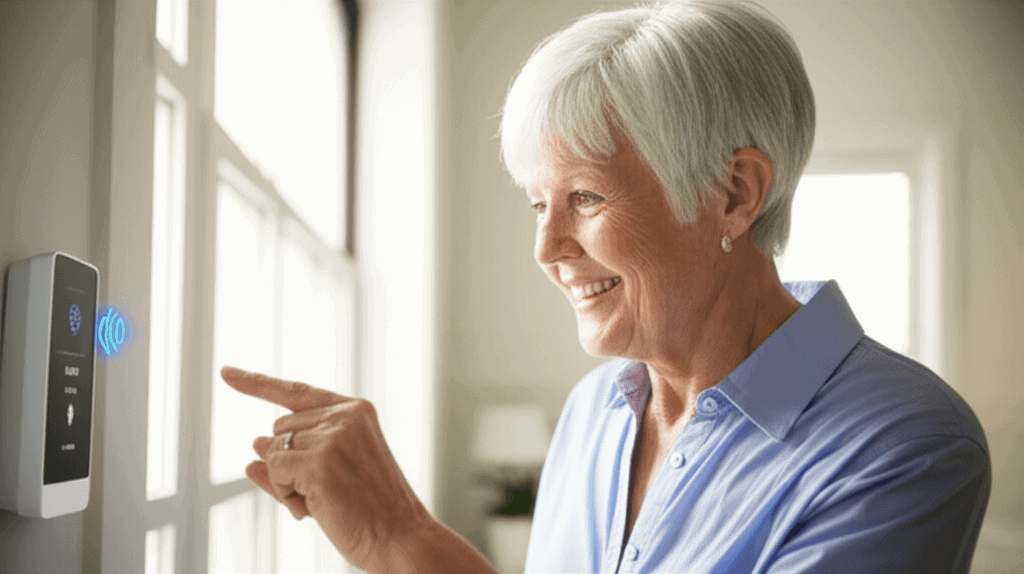
We will look at common risk areas, product features that matter, simple setup suggestions, and cost factors to weigh. Read on for hands on ideas you can start using today to protect mobility, health, and social connection without changing a life more than necessary.
Why modern safety tools matter for senior independence
As people age they often want to remain in a familiar home setting. Staying put can support daily rhythms and social ties. The right safety tools reduce the chance of a small problem becoming a crisis. They also give family members clearer information so they can step in with targeted help rather than constant oversight.
Consider a common scenario. An older adult slips in the kitchen and cannot get up. A wearable alert can call for help immediately while a fall sensor in the home notifies a caregiver that no movement has been detected. Response time shortens and recovery options expand. The goal is to make daily life less risky while keeping dignity and choice intact.
Key features to look for in elder safety offerings
Not every product fits every person. Focus on features that match physical needs and lifestyle. Check these items when comparing options.
- Two way communication means a device lets the wearer speak directly with an operator or a trusted contact.
- Automatic fall detection can trigger an alert even if the person cannot press a button.
- Location tracking helps when the person leaves home or wanders due to memory loss.
- Battery life and charging vary widely so pick units that match the user ability to maintain them.
- Easy wearing style such as pendant or wristband helps with ongoing use.
- Privacy and data handling are important when devices capture location or health related signals.
When possible test a device for a week to see how it fits real routines. Practical fit beats glossy specs every time.
How wearable alerts and home sensors support daily living
Wearables and fixed sensors address different risk points. Together they form a layered approach that keeps people safe across contexts.
Wearable alert use cases
Wearables are most effective when worn consistently. Common uses include emergency button presses, fall detection, and location reporting. For someone who spends time outdoors or lives alone the wearable becomes the primary lifeline. Train the person to wear it during key hours and to test the unit weekly.
Home sensor examples and placement tips
Motion sensors in a hallway can alert a caregiver if activity drops below normal. Door sensors can notify family when a front door opens at unusual hours. Pressure sensors under a mattress or seat can signal when the person gets up at night and help identify wandering or night time risks. Place sensors where they cover typical pathways rather than seldom used rooms.
Response options and service choices families should weigh
Devices often come with several response models. Some systems connect to a monitoring center that stays on call 24 hours. Others send notifications directly to trusted contacts. Think about local emergency services and family availability when choosing a model.
- Professional monitoring gives a trained operator a chance to triage events and dispatch local emergency services when needed.
- Personal network alerts send messages to family or neighbors first which can be faster for non life threatening events.
- Hybrid plans provide options to contact family before involving emergency services whenever appropriate.
Check contract details for response time, call protocols, and any fees for dispatch. A clear plan on who will respond to alerts keeps small problems from growing.
Installation, maintenance, and everyday habits that increase effectiveness
Even the best product fails if it is not maintained or worn correctly. Creating simple habits reduces friction for seniors and caregivers:
- Set a weekly reminder for charging devices and running a quick test.
- Place a charging station in a visible spot the person passes each day.
- Label buttons and program speed dial numbers to trusted contacts.
- Schedule a monthly walk through to confirm sensors are working and batteries are fresh.
Teach one caregiver how to check system status and how to troubleshoot common issues. A short printed checklist taped near the charging station can make the process painless.
Privacy, consent, and balancing autonomy with safety
Respecting a senior person means asking permission and explaining what devices will monitor. Some people value independence over privacy, while others dislike constant tracking. Hold a family meeting that covers:
- What data is collected and who can see it
- How alerts will be handled
- How to switch systems off for privacy when desired
Document the agreed plan so everyone understands expectations. If the person has cognitive decline, involve clinicians or legal advisors as appropriate to set up consent or guardianship paperwork.
Budgeting, insurance, and ways to reduce out of pocket costs
Costs vary by hardware, monitoring plan, and service level. Typical pricing models include a one time device fee plus a monthly subscription. Compare total yearly costs and ask about contract length.
Many providers offer senior discounts, veteran discounts, or payment plans. Some long term care insurance policies may cover a portion of the cost. It helps to call insurers and ask about coverage for emergency response systems. When budgeting, include extra for replacement batteries and occasional repairs.
Real life examples and practical tips for different living situations
Case 1. A widow living alone uses a pendant with fall detection and a motion sensor in the living room. After a fall, the monitoring center contacts a neighbor who arrives first. The neighbor stays until paramedics arrive. The quick contacts kept the incident from escalating.
Case 2. A couple where one partner has mild memory loss chooses door sensors and a location tracker on outgoing walks. The system sends an alert when the person leaves typical walking hours. Family members receive a text that prompts a quick check in that prevents a late night wandering episode from turning into a crisis.
Tip the system toward simplicity. Choose clear labels, bright charging lights, and large buttons. The more intuitive the device, the more likely it will be used consistently.
For families looking for a practical overview with device comparisons and stories from other households follow this link Empower Their Independence From Anywhere that highlights common choices and questions families ask. It can help you match features to needs and avoid common pitfalls when shopping.
How to introduce safety tools without creating tension
Resistance is normal. People often see these tools as signs of loss. Approach the topic with respect and concrete examples. Try these steps:
- Start with a shared goal such as staying in the current home longer.
- Offer a trial period rather than a permanent change.
- Show how the device supports hobbies and social outings instead of controlling them.
Use language that centers choice and dignity. Ask open ended questions and let the person voice concerns. Small changes often work better than sweeping updates.
In summary, helping seniors keep their independence safely takes a mix of the right devices, clear rules about response, and habits that preserve usability. Focus on real life routines when selecting units and plans. Test systems for a short period to confirm fit and train at least one family member to manage troubleshooting. Keep paperwork about service contracts and warranty details in an accessible spot. Finally choose options that match the person rather than the latest trend.
Taking action today can prevent a tomorrow emergency. Start by listing daily routines and identifying three moments that feel risky. Use that list to guide device selection and service choice. Talk with the older adult about acceptable trade offs between privacy and safety. If you want a user friendly guide that lays out device types, monitoring choices, and conversation starters share the guide linked above with family members and care partners. Make a small plan, try a short trial, and adjust as you gather real world experience. When everyone acts from clear information the result is a safer home that keeps personal choice central.