
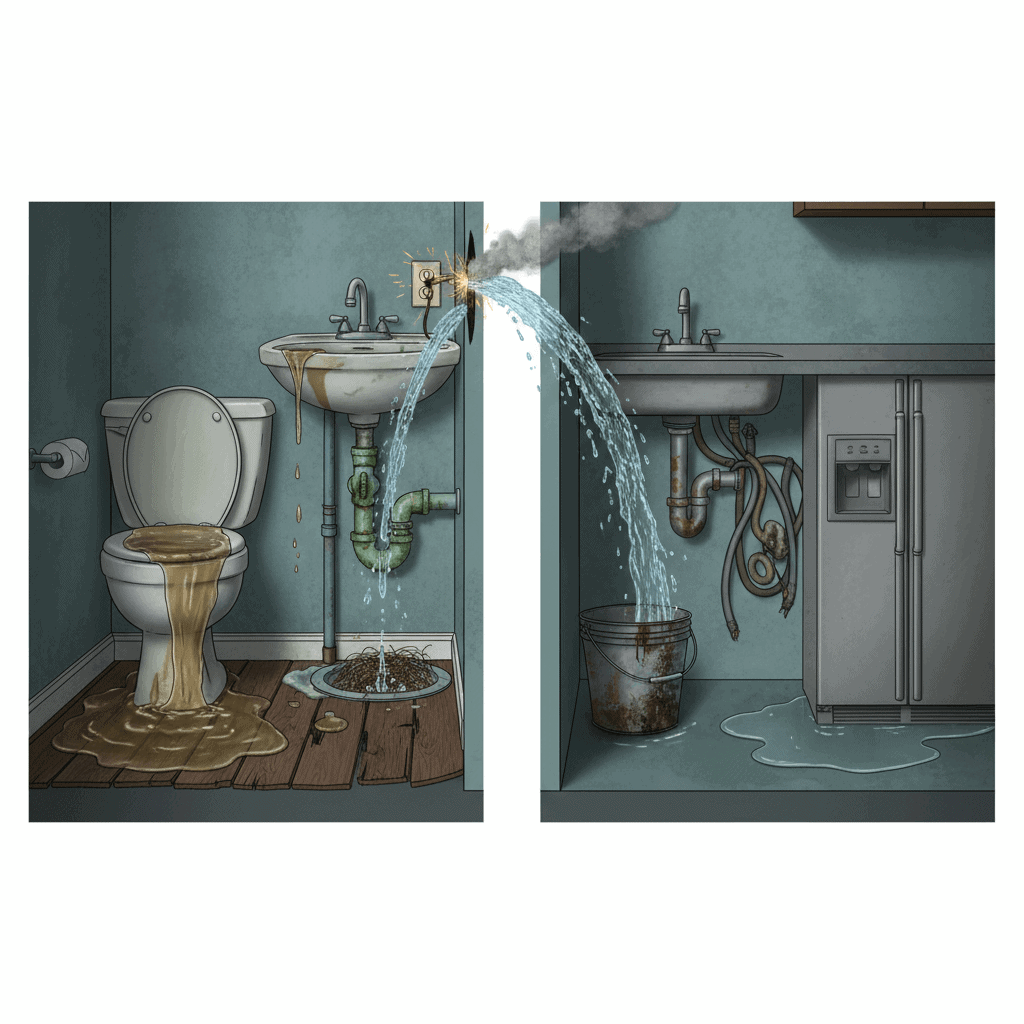
Plumbing problems cause headaches for many homeowners. Small leaks waste water, and big breaks can flood floors, making the whole situation feel like a mess. Homeowners dealing with plumbing issues often want simple ways to spot trouble and stop repairs from piling up. Knowing how to find the source and fix issues fast can save tons of hassle and money. For example, spotting a slow drip early can cut water waste by hundreds of gallons a year. Digging into these plumbing challenges helps anyone keep their home dry and their bills low. Keep reading to uncover secrets that make plumbing problems less scary and more manageable.
Each section breaks down signs to watch for tools and short term fixes and the times when you should call a licensed technician. Whether you own an older house or a newer build these tips will help you protect your plumbing system and save on costly repairs over time.
Household leaks and pipe corrosion what causes them and how to spot them
Leaks show up in many ways from steady drips under sinks to damp spots on ceilings. Typical causes are aging pipes mineral deposits that eat away at fittings and small cracks created by shifting foundations. Corrosion especially affects metal pipes in areas where water has a high mineral load.
- Early signs include the sound of dripping visible water stains and a sudden rise in your water bill.
- Visual checks are quick and effective. Inspect under sinks around the water heater and in the basement. Look for rust greenish stains or white mineral crusts at joints.
- Temporary fixes include tightening loose nuts replacing rubber washers and using pipe tape for small threaded leaks. For cracks wrap a rubber patch and secure with hose clamps until a full repair can be scheduled.
Longer term solutions often mean replacing sections of old piping choosing corrosion resistant materials and correcting sources of moisture that encourage rust. For those living in areas with hard water installing a water softener can reduce mineral buildup and prolong pipe life.
Clogged drains and slow drainage practical remedies
Clogs are the most frequent call plumbers get. Hair grease and food scraps collect in traps and downstrokes causing slow drainage and bad smells. Many clogs form gradually so catching them early prevents backups.
Kitchen sink clogs and grease management
Grease solidifies in pipes as it cools. Avoid putting cooking oil down the drain. Use a sink strainer and clean it daily. When a clog forms try a plunger first then a hand auger. Chemical drain cleaners can damage older pipes so limit their use and prefer enzyme based cleaners for regular maintenance.
Bathroom drains and hair buildup
Hair is the main culprit in tubs and showers. Use a simple hair catcher or screen and clean it out regularly. If water pools while showering try a plumber snake or a drain cleaning tool with micro hooks to pull hair out without harsh chemicals.
- Prevention Clean strainers flush drains with hot water once a week and run a mixture of baking soda and vinegar followed by hot water monthly.
- When to call If plunging and a snake do not restore flow or if multiple drains are backing up at once a deeper issue in the main line may exist.
Water heater problems how to recognize trouble and simple care tips
Water heater issues range from loss of heat to leaking tanks. A heater that makes popping noises is likely full of sediment and will run less efficiently. Rust colored water often indicates corrosion in the tank.
Common symptoms
- Water not hot enough or fluctuating temperature
- Odd noises coming from the tank
- Wetness or pooling around the base
Maintenance actions you can take
Flushing the tank once a year removes sediment and can add years to the unit. Check the pressure relief valve by lifting and letting it snap back to confirm it flows. Replace sacrificial anode rods when they are depleted to slow corrosion from the inside out.
If the tank leaks or if continuous repairs are required replacement is the most cost effective path. When planning a new unit match capacity to household needs and compare energy ratings for ongoing savings.
Low water pressure how to troubleshoot and common fixes
Low pressure can be caused by several factors from closed shutoff valves and clogged aerators to hidden leaks. A quick way to check whether the problem is local or whole house is to test multiple fixtures at the same time.
- Single fixture low pressure Check the aerator for debris and clean it. Inspect supply valves and flex lines under the sink.
- Whole house low pressure Inspect the main shutoff make sure it is fully open. Check the pressure regulator if your home has one. If pressure varies at random times a leak may be drawing down the supply.
For homes with galvanized piping corrosion inside the pipe can reduce diameter and lower flow. Replacing old sections with modern materials restores pressure and reduces future issues.
Toilet problems common fixes and when parts need replacement
Toilets are simple systems but they cause frequent service calls. A running toilet can waste large volumes of water. The most common cause is a degraded flapper or a fill valve that fails to shut off.
- Running toilet Replace the flapper or adjust the chain. If the fill valve is old replace it with a modern refill mechanism.
- Frequent clogs Avoid flushing items not meant for pipes reduce paper usage and consider a low profile trap or larger bore toilet if clogs are a recurring problem.
- Loose base If the toilet rocks tighten the bolts and replace the wax ring if there is water at the base.
Keeping a small kit with a replacement flapper and a basic wrench can save a service call in many cases.
Seasonal plumbing care common issues during cold months
Freezing temperatures cause the most dramatic failures. Water expands as it freezes which can crack pipes and damage fixtures. The risk is greatest in unheated spaces and along exterior walls.
- Insulate exposed pipes with foam sleeves and use heat tape on vulnerable runs.
- Keep interior temperatures steady and open cabinet doors under sinks to let warm air circulate.
- Before a cold snap drain outdoor hoses and shut off exterior valves to reduce trapped water.
If a pipe freezes do not use an open flame to thaw it. Apply a hair dryer or electric heating pad and start thawing at the faucet so melting water can flow out. If a pipe bursts shut off the main water valve and drain the system then call a technician for repairs.
When to call a technician and how to pick the right local company
Many small repairs can be handled by a homeowner. Call a technician when the issue involves the main water line large leaks visible structural damage or if specialty equipment is required. Emergencies include a major leak that cannot be stopped or a sewer backup.
Look for licensed professionals who carry insurance and provide clear estimates. Local firms that serve your area regularly will be familiar with common regional issues and local code requirements. For residents in Southlake one local resource that offers residential plumbing services and area knowledge is Berkeys Plumbing which lists service options and contact details for Bent Creek and surrounding neighborhoods.
- Questions to ask Warranty terms on work expected time to complete the job and whether permits are needed.
- Pricing tips Get a written estimate and ask about parts guarantees to make cost planning easier.
Plumbing problems do not follow a schedule and small issues grow into big ones if ignored. A few minutes each month for inspections and basic maintenance will lower the risk of a sudden failure. Keep a list of local professionals and emergency numbers so you can respond quickly when a major problem arises.
Preventive maintenance checklist for homeowners
Preventive care reduces repairs and extends the life of plumbing components. Use this short checklist to form a routine that fits your home.
- Check under sinks and around the water heater for leaks
- Clean sink strainers and shower screens weekly
- Flush water heater annually and inspect the anode rod
- Test the pressure relief valve on the water heater periodically
- Inspect exterior hoses and shutoff valves before winter
- Run cold water through seldom used drains to keep P traps filled
Following a simple schedule keeps systems working longer and lowers the chance of emergency calls. When in doubt about a repair choose a licensed professional to protect your home and avoid unsafe fixes.
In summary tackling common residential plumbing issues starts with observation and simple steps to prevent escalation. Learn to identify leaks clogs and early signs of water heater trouble and perform routine checks that catch problems before they grow. Small tools and basic replacement parts can solve many situations quickly and cheaply. For more complex repairs or when you need local expertise reach out to a qualified plumbing company that serves your neighborhood. Regular maintenance saves money and reduces stress. Take action today by inspecting vulnerable areas making a short maintenance plan and saving the contact information of a reliable local plumber so you can respond quickly if a problem appears.