
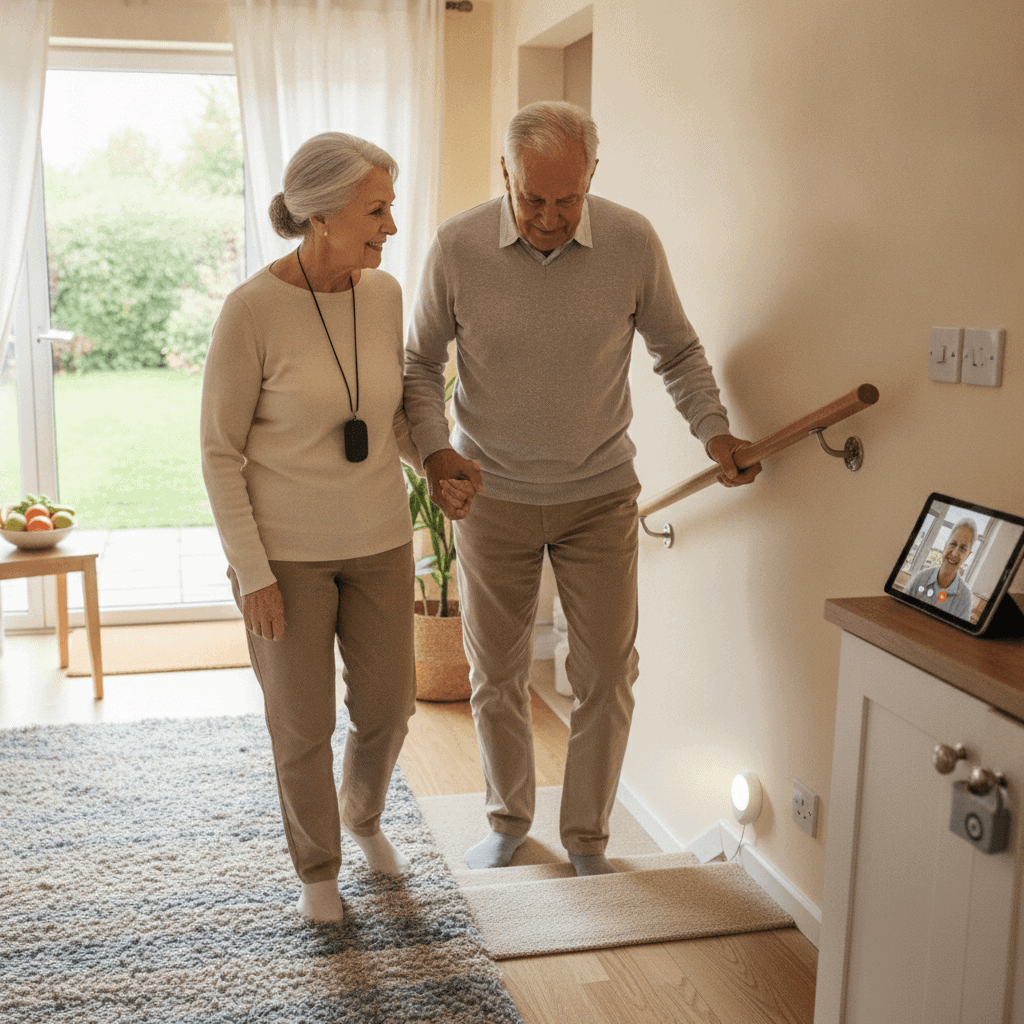
As our loved ones age, a common desire is for them to live independently and comfortably in their own homes for as long as possible. This goal is wonderful and achievable but it requires careful planning. We must recognize that as people get older, their needs change and so do the potential risks in their living environment.
My work in understanding home environments has shown me how critical it is to create spaces that support safety and well-being. A home should be a sanctuary, a place of peace, not a source of worry. This is especially true for our senior population.
This article will explore practical strategies for Safeguarding Seniors Creating a Protected Home. We will cover modifications technology and community support that all contribute to a truly secure and comfortable senior living space.
Understanding Common Risks for Seniors at Home
One of the biggest concerns for seniors living at home is the risk of falls. I have seen how a simple slip can lead to serious injuries like fractures or head trauma. Many common household items and setups can become unexpected hazards. Loose rugs, cluttered pathways, and poor lighting are frequent culprits.
The bathroom is another area where risks are often high. Wet floors, slippery tubs, and a lack of support can make daily routines quite dangerous. I always advise people to think about these spaces with a fresh, critical eye. Kitchens also present dangers with hot stoves heavy items and sharp utensils.
Beyond physical hazards, there are other considerations. Medication management can become complex, leading to missed doses or accidental overdoses. I also recognize that a senior’s home needs to be secure against intruders. This helps ensure peace of mind.
Addressing these risks is not about making a home feel like a hospital. Instead it is about thoughtful adjustments that maintain dignity and independence. My experience suggests that even small changes can make a big difference in preventing accidents. We need to look at every room from the perspective of an aging resident.
Implementing Practical Home Modifications
Making a home safer for seniors often involves simple but effective modifications. These changes focus on preventing accidents and making daily tasks easier to manage. I have helped many families make these adjustments. They provide comfort and safety for their loved ones.
We start by assessing each room for potential hazards. This includes looking at furniture placement and floor coverings. We want to eliminate anything that could cause a trip or fall.
Bathroom Safety Improvements
The bathroom requires special attention because it combines water with hard surfaces. I recommend installing grab bars near the toilet and inside the shower or bathtub. These offer crucial support when standing or sitting.
Non-slip mats are essential for shower floors and any areas that get wet. We also consider raised toilet seats to reduce the effort needed to sit down and stand up. Roll-in showers or walk-in tubs can be wonderful investments. They significantly reduce the risk of stepping over high edges.
These modifications help create a much more secure environment. They allow seniors to maintain their personal hygiene independently with reduced risk.
Kitchen and Living Area Adjustments
In the kitchen, organization and accessibility are key. I suggest arranging frequently used items on lower shelves. This avoids the need for reaching or using step stools. Good lighting is also very important in all areas. Brighter lights help seniors see clearly and reduce shadows that might hide obstacles.
Clear pathways are a must throughout the house. We remove clutter and arrange furniture to allow for easy movement. This is especially important if a senior uses a walker or wheelchair. For more comprehensive senior home safety tips, there are many resources available online and through local aging agencies. These sources often cover a wide range of practical advice.
Securing loose rugs with non-slip backing or removing them entirely is a straightforward step. I also encourage checking all electrical cords. They must be tucked away to prevent tripping. These simple adjustments can greatly reduce the chances of accidents in a busy household.
Leveraging Technology for Enhanced Safety
Technology plays a powerful role in enhancing senior home safety. It provides layers of protection and reassurance for both seniors and their families. I have seen how these tools can truly change lives.
Medical alert systems are perhaps the most well-known. These systems allow seniors to call for help with the push of a button. Some newer models can even detect falls automatically. This ensures help is on the way even if a senior cannot press the button themselves.
Smart home devices offer another level of protection. Motion-sensor lights can illuminate dark hallways at night. This prevents trips. Smart door locks allow family members to grant access remotely. This is helpful for caregivers or in an emergency. Video doorbells let seniors see who is at the door without opening it. This adds security and peace of mind. I find these technologies to be incredibly empowering for seniors. They help them maintain independence.
Remote monitoring systems allow family members to check in on their loved ones discreetly. These systems can monitor activity levels or detect unusual patterns. They can also remind seniors about medication schedules. This technology is not about spying but about providing a safety net. It offers a way to ensure everything is alright from a distance. Digital assistants like smart speakers can also be programmed to give medication reminders. They can also connect seniors to family or emergency services with voice commands. These advances make homes not just safer but smarter too.
Preparing for Emergencies
No matter how many preventative measures we take, emergencies can still happen. Being prepared is a vital part of safeguarding seniors at home. I always emphasize the importance of having clear plans and accessible resources.
We need to think about different types of emergencies. These include power outages, natural disasters, or unexpected health crises. Having a well-stocked emergency kit is a fundamental step for everyone. It is especially important for seniors who might have limited mobility or specific medical needs. I teach that preparedness removes much of the panic that can arise during unexpected events.
Essential Emergency Kits
An emergency kit should contain enough supplies for at least three days. This includes a supply of fresh water and non-perishable food items. It is crucial to have all necessary medications readily available. I suggest keeping at least a week’s supply in an easily accessible bag.
Other items to include are flashlights with extra batteries and a battery-powered radio. A first-aid kit, whistle to signal for help, and copies of important documents are also key. I also advise keeping a comfortable blanket and extra clothing in the kit. Seniors need to stay warm and comfortable during an emergency. Make sure the kit is stored in a location that is simple to reach.
Communication Plans
A clear communication plan is just as important as a physical kit. I encourage families to create a list of emergency contacts. This includes family members doctors and neighbors. This list should be printed and kept near phones and in the emergency kit.
Seniors should know how to contact emergency services. They also need to know how to reach designated family members. Practicing this plan can help ensure everyone knows what to do if an emergency occurs. We can also establish a check-in system with neighbors or friends. This way, someone will notice if a senior is not responding. These steps ensure that help can be summoned quickly when it is most needed.
Promoting Mobility and Fall Prevention
Maintaining physical health and mobility is a key factor in senior safety. Many falls are preventable with simple strategies. I always tell people that an active lifestyle is a strong defense against accidents.
Regular exercise tailored to a senior’s abilities can significantly improve balance and strength. Activities like walking tai chi or chair exercises are excellent choices. I encourage consulting with a doctor or physical therapist to find the right routine. This ensures the exercises are safe and effective.
Proper footwear is another often overlooked aspect of fall prevention. Shoes should be well-fitting and have non-slip soles. I advise against walking around in socks or loose slippers. They can increase the risk of slipping. It is a simple change but it makes a big difference.
Inside the home, we must be vigilant about removing all possible trip hazards. This means clearing clutter from floors. It also means securing electrical cords. I also recommend checking the condition of stair railings. They should be sturdy and easy to grasp. Vision checks are also crucial because good eyesight prevents many falls. Regular eye exams ensure prescriptions are current. These combined efforts create a home environment where movement is safe and confidence is boosted.
Building a Supportive Network for Seniors
While home modifications and technology are important, a strong supportive network is invaluable for senior safety. I have seen how much peace of mind this provides for everyone involved. It builds a crucial safety net for our elders.
Family involvement is usually the cornerstone of this network. Regular visits and phone calls allow family members to check on their loved ones’ well-being. They can also help identify new safety concerns. I always recommend open communication within families. This ensures that everyone is on the same page about care and safety.
Community resources also play a significant role. Many local organizations offer services like meal delivery transportation and social programs. These services keep seniors engaged and connected. They also provide practical support that helps them stay safely at home. I often direct families to their local Area Agency on Aging. This resource can connect them with relevant programs and support groups. These agencies are a wealth of information for families.
Professional assistance, such as home health aides or caregivers, can offer valuable support for daily tasks. They also provide companionship. These professionals can ensure medications are taken correctly. They can also assist with personal care. I believe that a combination of family community and professional support creates the most comprehensive and effective safety plan for seniors. This collaborative approach helps create a truly protected home environment.
Conclusion: A Proactive Approach to Senior Well-being
Safeguarding seniors in their homes is an ongoing commitment. It is one that brings immense rewards in the form of peace of mind and continued independence. We have discussed the common risks, from falls to inadequate emergency plans. I have also shared how practical home modifications like grab bars and clear pathways can make a real difference. We explored the power of technology through medical alert systems and smart home devices. I also highlighted the importance of a strong support network including family community resources and professional care. My aim has been to provide a detailed guide on creating a home where seniors feel secure and valued.
Taking a proactive approach means regularly assessing the living environment. It means adapting to changing needs. It also means staying informed about new safety solutions. These efforts ensure that our seniors can enjoy their golden years with dignity and comfort. I encourage you to take the first step today. Walk through your loved one’s home with a critical eye. Identify areas for improvement. Start a conversation with family and friends about creating this protected space. Small changes can lead to a significant increase in safety and overall well-being. Let us work together to ensure every senior has a safe and loving home.